Have you ever been scrolling through messages or social media and suddenly saw someone write “IMO”?
You paused, wondering what it meant. You’re not alone. In today’s fast-paced digital world, abbreviations like IMO dominate conversations.
IMO meaning in text is one of the most searched slang terms online. Whether you’re chatting with friends, commenting on posts, or reading online forums, this short abbreviation pops up everywhere.
But here’s the thing—understanding it fully isn’t just about knowing the definition. It’s about knowing when, why, and how to use it effectively. That’s exactly what this expert guide will help you master. 🚀
What Does IMO Mean in Text? 🤔
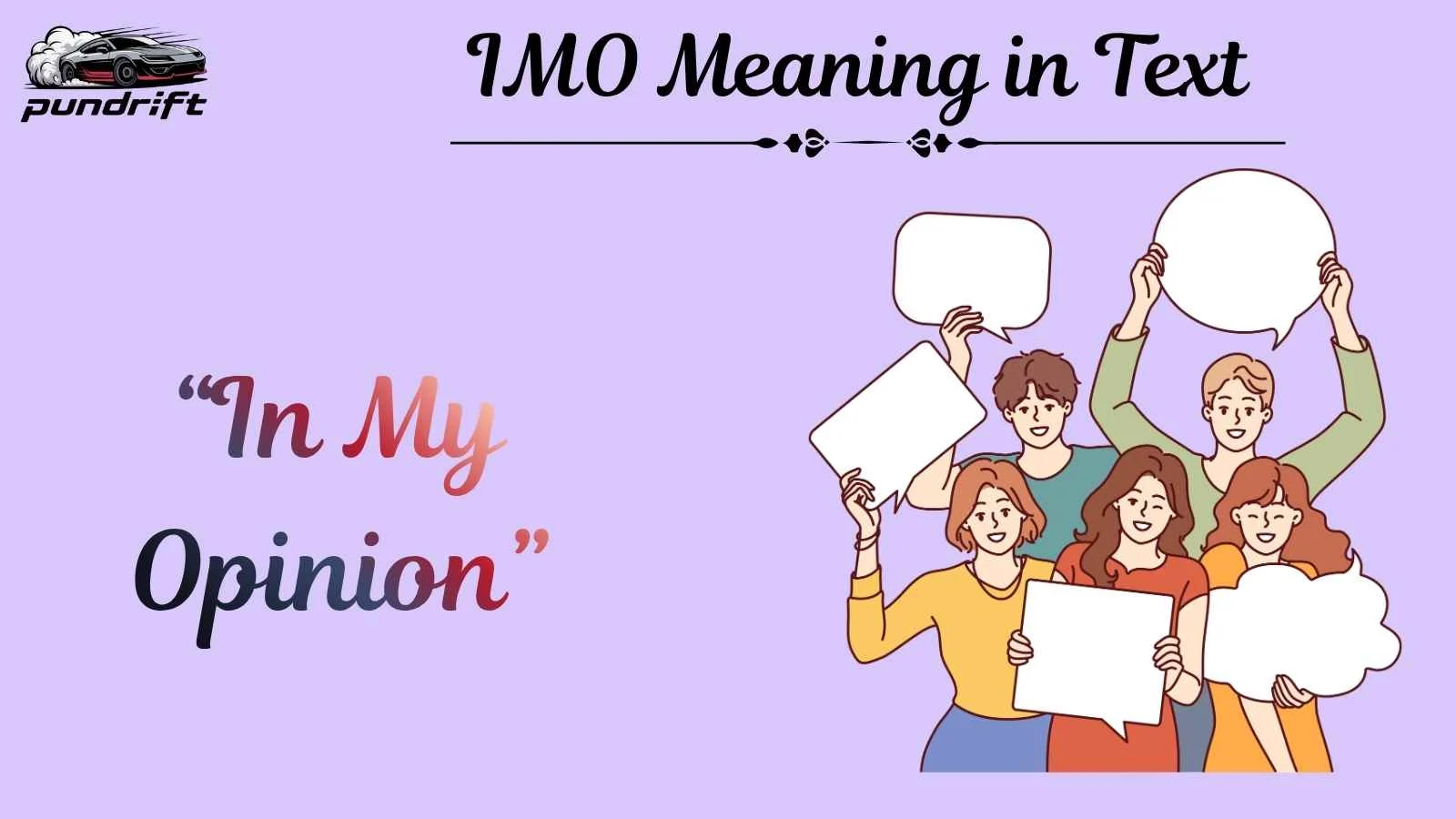
IMO stands for “In My Opinion.”
It’s commonly used in text messages, social media, emails, and forums to express a personal viewpoint.
Example: “IMO, that movie was better than the first one.” 🎬
This simple phrase helps soften statements and shows that what you’re saying is subjective, not a universal fact.
Why People Use IMO in Conversations 💬
Using IMO isn’t just about saving time—it adds tone and clarity to digital communication.
- ✔ Shows humility and openness
- ✔ Prevents arguments
- ✔ Signals personal perspective
- ✔ Keeps conversations friendly
In online discussions, where tone is hard to detect, adding IMO makes your message sound less aggressive and more respectful.
The Origin of IMO: Where Did It Come From? 🌐
The phrase IMO dates back to early internet chatrooms and forums in the 1990s. As users needed quicker ways to communicate, abbreviations became essential.
It gained popularity on platforms like:
- Old chat forums
- Email chains
- Early messaging apps
- Modern social media platforms
Today, it’s a universal internet slang term used globally. 🌍
IMO vs IMHO: What’s the Difference? ⚖️
| Abbreviation | Full Form | Tone |
|---|---|---|
| IMO | In My Opinion | Neutral |
| IMHO | In My Humble Opinion | More polite |
IMHO adds an extra layer of humility. However, in modern usage, both are often used interchangeably.
How to Use IMO Correctly in Text ✍️
Using IMO is simple, but placement matters.
1. At the Beginning
IMO, this phone is overpriced.
2. In the Middle
This game is, IMO, the best of the year.
3. At the End
This restaurant is amazing, IMO.
All forms are acceptable, but beginning placement is the most common.
Real-Life Examples of IMO in Conversations 💡
- “IMO, studying at night works better.” 🌙
- “That song is overrated, IMO.” 🎵
- “IMO, you should go for it!” 💪
- “This is the best pizza in town, IMO.” 🍕
Notice how it always reflects a personal opinion, not a fact.
When Should You Use IMO? ⏰
Knowing when to use IMO is key for effective communication.
Best Situations:
- Giving advice
- Sharing reviews
- Participating in debates
- Posting on social media
Avoid Using IMO When:
- Stating verified facts
- Writing formal academic papers
- Communicating professionally (unless casual tone is acceptable)
IMO in Social Media Culture 📲
Social media has amplified the use of IMO massively.
On platforms like Instagram, Twitter, and TikTok, people use it to:
- Share opinions without sounding harsh
- Avoid backlash
- Encourage discussion
“IMO, this trend will disappear soon.”
This makes conversations more engaging and less confrontational.
Is IMO Formal or Informal? 🧠
IMO is considered informal.
It’s perfect for:
- Text messages
- Online chats
- Casual emails
However, avoid it in:
- Business reports
- Academic writing
- Official documents
Instead, use phrases like:
- “In my opinion”
- “I believe that”
Common Mistakes When Using IMO ❌
- ❌ Using it for facts
- ❌ Overusing in every sentence
- ❌ Using in formal writing
- ❌ Misplacing it awkwardly
Tip: Keep it natural and purposeful.
IMO vs Other Internet Slang 🔤
| Slang | Meaning |
|---|---|
| LOL | Laugh Out Loud |
| BRB | Be Right Back |
| TBH | To Be Honest |
| IMO | In My Opinion |
Each serves a different purpose, but IMO focuses specifically on opinions.
Why IMO Matters in Digital Communication 🌍
In today’s connected world, tone matters more than ever.
Using IMO helps:
- Build respectful discussions
- Avoid misunderstandings
- Encourage open dialogue
It’s a small addition with a big impact. 💥
Expert Tip: Use IMO to Sound More Polite 🎯
Communication experts suggest using softeners like IMO to reduce conflict.
“IMO, we should try a different approach.”
This sounds much better than:
“We should change this.”
See the difference? Tone changes everything.
FAQs:❓
1. What does IMO stand for in texting?
IMO stands for “In My Opinion.”
2. Is IMO rude?
No. It actually makes statements sound more polite and less forceful.
3. Can I use IMO in professional emails?
It depends on the tone. For formal emails, avoid it.
4. What is the difference between IMO and IMHO?
IMHO adds “humble,” making it slightly more polite.
5. Is IMO still popular in 2025?
Yes! It remains widely used across all digital platforms.
Final Thoughts:💭
Understanding IMO meaning in text goes beyond just knowing its definition. It’s about mastering communication in a digital world.
IMO = In My Opinion—a simple phrase that adds clarity, politeness, and personality to your conversations.
When used correctly, it helps you express ideas without sounding aggressive or overly confident.
So next time you share your thoughts online, try adding IMO and notice how your message feels more balanced and engaging. 😊

I create simple and helpful content about meanings, slang words, and text terms. I enjoy making difficult words easy to understand so readers can quickly learn and use them in daily conversations.