Have you ever received a message saying “OTW” and paused for a second, wondering what it means? 🤔 You’re not alone.
In today’s fast-paced digital world, abbreviations dominate conversations. Understanding them is essential to stay connected.
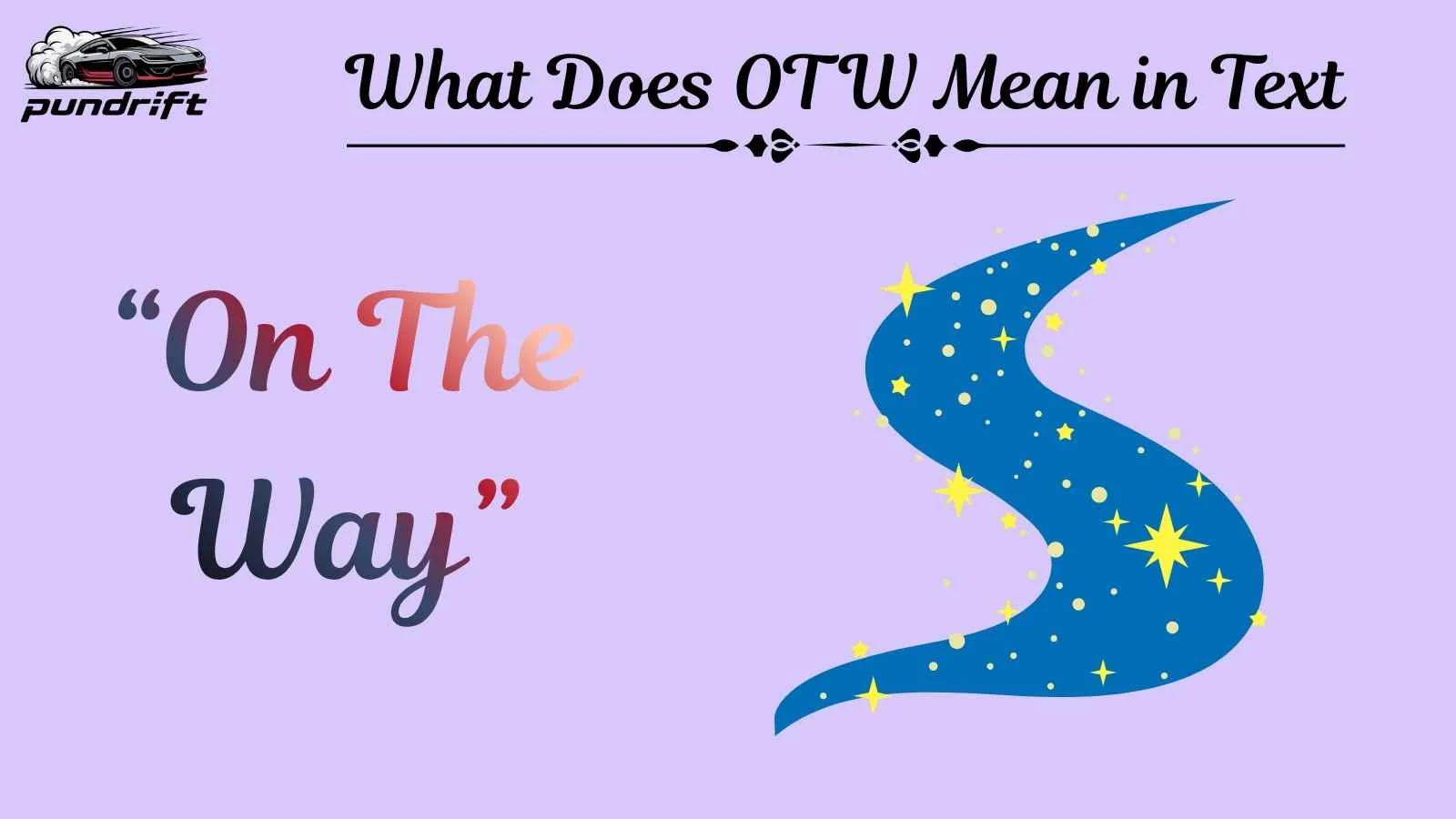
What does OTW mean in text? Simply put, OTW stands for “On The Way.” 🚗 It’s a quick and convenient way to let someone know you’re heading somewhere or something is in progress.
But that’s just the surface. In this detailed guide, you’ll explore its origins, real-life usage, variations, and even expert communication tips to use it confidently.
What Does OTW Mean in Text? 📖
OTW is a widely used abbreviation that means “On The Way.” It indicates movement toward a destination or progress toward a goal.
It is commonly used in:
- Text messages 📱
- Social media chats 💬
- Online gaming 🎮
- Work communication tools 💼
Example:
- “I’m OTW to your house.”
- “Food is OTW 🍕.”
Origin of OTW Slang 🕰️
The abbreviation OTW emerged from early internet chat culture and SMS texting, where character limits encouraged shorter forms of communication.
Over time, it became part of modern slang due to:
- Speed and convenience
- Mobile texting culture
- Social media influence
“Short forms like OTW reflect how language evolves with technology.”
How OTW Is Used in Everyday Conversations 💬
People use OTW in different contexts depending on the situation.
1. Confirming Arrival 🚗
“Don’t worry, I’m OTW!”
2. Delivery Updates 📦
“Your package is OTW.”
3. Social Plans 🎉
“Party vibes OTW 😎.”
4. Work Context 💼
“The report is OTW to your email.”
Examples of OTW in Text Messages 📲
| Situation | Example Message |
|---|---|
| Meeting a friend | “Hey, I’m OTW now!” |
| Food delivery | “Pizza is OTW 🍕” |
| Work update | “Files are OTW to your inbox.” |
| Casual chat | “Good vibes OTW ✨” |
Different Meanings of OTW (Context Matters) 🔍
Although “On The Way” is the primary meaning, OTW can sometimes vary:
- On The Way – Most common meaning
- Over The Weekend – Less common usage
- Off To Work – Rare, context-specific
Tip: Always understand the context before interpreting.
Why OTW Is So Popular 🚀
OTW has gained popularity because it is:
- Quick to type ⌨️
- Easy to understand 👍
- Widely accepted 🌍
- Versatile 🔄
It saves time and keeps conversations efficient.
When to Use OTW (Best Situations) ✔️
You can use OTW in:
- Informal chats with friends
- Quick updates in group chats
- Casual workplace communication
- Social media captions
Example: “Big news OTW 👀”
When NOT to Use OTW ❌
Avoid using OTW in:
- Formal emails 📧
- Professional reports 📝
- Academic writing 🎓
Instead, use the full phrase “on the way”.
OTW vs Other Text Abbreviations ⚖️
| Abbreviation | Meaning | Usage |
|---|---|---|
| OTW | On The Way | Movement or progress |
| BRB | Be Right Back | Temporary absence |
| ETA | Estimated Time of Arrival | Time-specific updates |
| IMO | In My Opinion | Sharing views |
OTW in Social Media 📱
On platforms like Instagram, Snapchat, and TikTok, OTW is often used creatively:
- “New video OTW 🎥”
- “Summer vibes OTW ☀️”
- “Glow-up OTW 💅”
It builds anticipation and excitement.
Expert Tips to Use OTW Correctly 💡
- Use it in casual contexts
- Ensure clarity of message
- Avoid overuse
- Match tone with audience
Clear communication always wins.
Common Mistakes People Make ⚠️
- Using OTW in formal writing
- Misinterpreting context
- Overusing abbreviations
Fix: Balance clarity and convenience.
FAQs:
1. What does OTW mean in text messages?
It means “On The Way.”
2. Is OTW formal or informal?
It is informal and best for casual conversations.
3. Can OTW have multiple meanings?
Yes, but “On The Way” is the most common.
4. Is OTW used worldwide?
Yes, especially in English-speaking digital communication.
5. Can I use OTW in emails?
Only in informal emails, not professional ones.
Conclusion:🧠
Understanding what OTW means in text helps you communicate faster and smarter in today’s digital world. 🚀 Whether you’re chatting with friends or sharing updates online, this simple abbreviation keeps conversations smooth and efficient.
Remember, OTW = On The Way. Use it wisely, keep your tone appropriate, and always consider your audience.

I create simple and helpful content about meanings, slang words, and text terms. I enjoy making difficult words easy to understand so readers can quickly learn and use them in daily conversations.